Understanding SAP Calculations for Residential Developments
Residential developments are a crucial aspect of urban planning and construction. As cities grow and evolve, understanding the various calculations involved in these projects becomes essential. One of the most significant calculations in this field is the SAP (Standard Assessment Procedure) calculation. This blog post will delve into what SAP calculations are, why they matter, and how they impact residential developments.
What is SAP?
SAP stands for Standard Assessment Procedure. It is a methodology used in the UK to assess the energy performance of residential buildings. The procedure evaluates how much energy a home will consume and how much carbon dioxide it will emit. This assessment is crucial for ensuring that new homes meet the required energy efficiency standards set by the government.
Importance of SAP Calculations
SAP calculations are vital for several reasons:
Regulatory Compliance: New residential developments must comply with building regulations, which include energy performance standards. SAP calculations help ensure that these standards are met.
Energy Efficiency: By assessing a building's energy performance, developers can identify areas for improvement, leading to more energy-efficient homes.
Cost Savings: Energy-efficient homes can lead to lower energy bills for residents, making them more attractive to potential buyers or renters.
Environmental Impact: Reducing carbon emissions is essential for combating climate change. SAP calculations help developers understand and minimize their environmental impact.
The SAP Calculation Process
The SAP calculation process involves several steps, each contributing to a comprehensive assessment of a building's energy performance.
Step 1: Data Collection
The first step in the SAP calculation process is gathering data about the building. This includes:
Building Dimensions: The size and shape of the building, including the number of floors and rooms.
Construction Materials: Information about the materials used in walls, roofs, and floors, as well as insulation levels.
Heating Systems: Details about the heating system, including the type of boiler, radiators, and any renewable energy sources.
Ventilation: Information about how the building is ventilated, including natural and mechanical ventilation systems.
Step 2: Inputting Data into SAP Software
Once the data is collected, it is input into SAP software. This software uses the data to calculate the energy performance of the building. The calculations consider various factors, including:
Thermal Performance: How well the building retains heat.
Energy Use: The estimated energy consumption for heating, hot water, and lighting.
Carbon Emissions: The amount of carbon dioxide emitted based on energy use.
Step 3: Generating the SAP Report
After the calculations are complete, the SAP software generates a report. This report includes:
Energy Rating: A rating from A (most efficient) to G (least efficient) based on the building's energy performance.
Recommendations: Suggestions for improving energy efficiency, such as upgrading insulation or installing renewable energy systems.
Compliance Status: Information on whether the building meets the required energy performance standards.
Factors Influencing SAP Calculations
Several factors can influence the outcome of SAP calculations. Understanding these factors can help developers make informed decisions during the design and construction phases.
Building Orientation
The orientation of a building can significantly impact its energy performance. For example, homes that face south can benefit from increased sunlight, reducing the need for artificial lighting and heating. Developers should consider the orientation when designing new residential developments.
Insulation Levels
The level of insulation in a building is crucial for energy efficiency. Well-insulated homes retain heat better, leading to lower energy consumption. Developers should prioritize high-quality insulation materials to improve SAP ratings.
Heating Systems
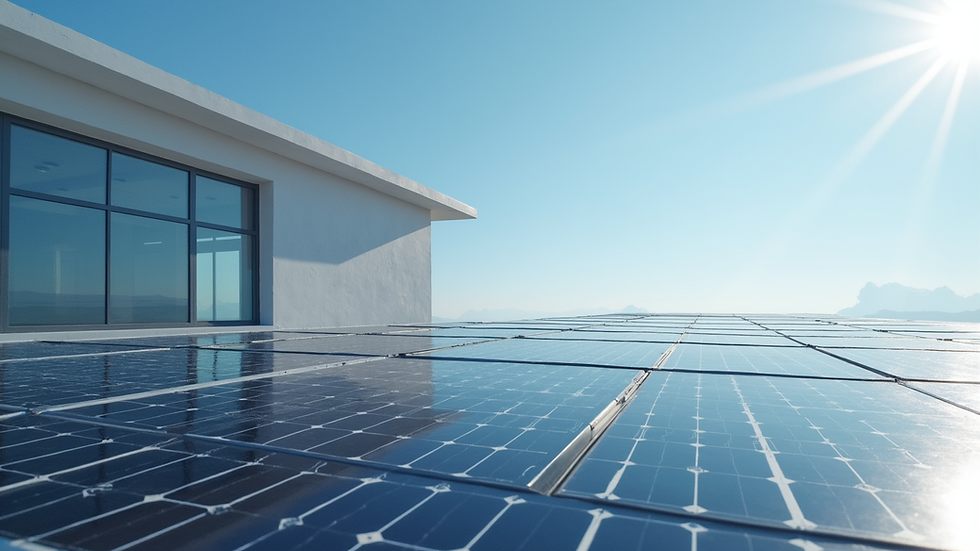
The type of heating system used in a building can also affect SAP calculations. Renewable energy sources, such as solar panels or heat pumps, can significantly improve a building's energy performance. Developers should explore these options to enhance their projects' sustainability.
Windows and Glazing
The type and quality of windows can impact a building's energy efficiency. Double or triple-glazed windows provide better insulation than single-glazed options. Choosing energy-efficient windows can help improve SAP ratings.
Common Challenges in SAP Calculations
While SAP calculations are essential for residential developments, they can also present challenges. Here are some common issues developers may face:
Data Accuracy
Accurate data is crucial for reliable SAP calculations. Inaccurate measurements or assumptions can lead to misleading results. Developers should ensure that all data collected is precise and up-to-date.
Compliance Changes
Building regulations and energy performance standards can change over time. Developers must stay informed about any updates to ensure their projects remain compliant. Regular training and updates for staff can help mitigate this challenge.
Balancing Cost and Efficiency
Improving energy efficiency often requires upfront investment. Developers must balance the costs of implementing energy-efficient measures with the long-term savings they provide. Conducting a cost-benefit analysis can help make informed decisions.
The Future of SAP Calculations
As the demand for sustainable housing continues to grow, the importance of SAP calculations will only increase. Here are some trends that may shape the future of SAP assessments:
Integration of Smart Technology
Smart home technology can enhance energy efficiency by optimizing heating, lighting, and ventilation. Future SAP calculations may incorporate data from smart devices to provide a more accurate assessment of energy performance.
Focus on Net Zero Homes
With a growing emphasis on reducing carbon emissions, the concept of net zero homes is gaining traction. These homes produce as much energy as they consume, leading to a zero carbon footprint. SAP calculations will play a crucial role in assessing the feasibility of net zero developments.
Enhanced Software Capabilities
Advancements in software technology may lead to more sophisticated SAP calculation tools. These tools could provide real-time assessments and recommendations, making it easier for developers to optimize energy performance during the design phase.
Conclusion
Understanding SAP calculations is essential for anyone involved in residential developments. These assessments not only ensure compliance with regulations but also promote energy efficiency and sustainability. By prioritizing accurate data collection, staying informed about industry changes, and embracing innovative technologies, developers can create homes that are not only compliant but also environmentally friendly and cost-effective.
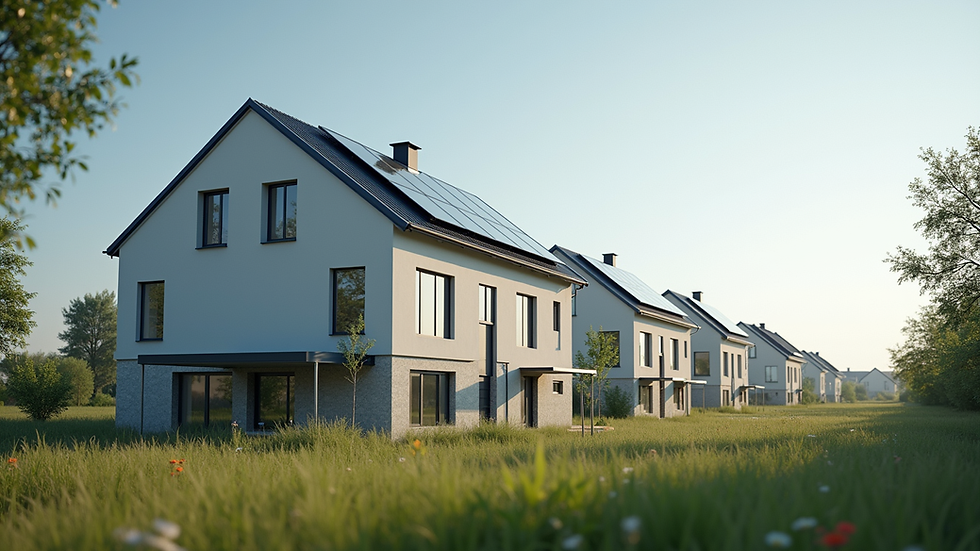
As the landscape of residential development continues to evolve, staying ahead of the curve with SAP calculations will be key to success. Whether you are a developer, architect, or homeowner, understanding these calculations can lead to more sustainable living spaces for future generations.
Comments