Optimizing Energy Performance for New-Build Projects
In today's world, energy efficiency is not just a trend; it's a necessity. As the demand for sustainable building practices grows, optimizing energy performance in new-build projects has become a critical focus for architects, builders, and developers. This blog post will explore practical strategies to enhance energy performance, ensuring that new constructions are not only environmentally friendly but also cost-effective in the long run.
Understanding Energy Performance
Energy performance refers to how effectively a building uses energy to maintain comfortable conditions for its occupants. This encompasses heating, cooling, lighting, and powering appliances. The goal is to minimize energy consumption while maximizing comfort and functionality.
Why Energy Performance Matters
Cost Savings: Improved energy efficiency leads to lower utility bills, which can significantly reduce operational costs over time.
Environmental Impact: Reducing energy consumption decreases greenhouse gas emissions, contributing to a healthier planet.
Regulatory Compliance: Many regions have strict building codes and regulations aimed at improving energy efficiency. Meeting these standards is essential for project approval.
Market Demand: Homebuyers and tenants increasingly prefer energy-efficient buildings, making them more attractive in the real estate market.
Key Strategies for Optimizing Energy Performance
1. Site Selection and Orientation
The location and orientation of a building play a crucial role in its energy performance.
Site Selection: Choose a site that maximizes natural resources, such as sunlight and wind. For example, a south-facing plot can harness solar energy effectively.
Building Orientation: Position the building to minimize heat loss in winter and reduce cooling needs in summer. This can be achieved by aligning the longest side of the building with the east-west axis.
2. Building Design and Materials
The design and materials used in construction significantly influence energy performance.
Insulation: Invest in high-quality insulation to reduce heat transfer. This keeps buildings warm in winter and cool in summer, reducing the need for heating and cooling systems.
Windows: Use energy-efficient windows with low U-values and solar heat gain coefficients. Double or triple glazing can enhance insulation and reduce energy loss.
Roof Design: Consider green roofs or reflective roofing materials to reduce heat absorption and improve energy efficiency.
3. Energy-Efficient Systems
Incorporating energy-efficient systems is vital for optimizing energy performance.
Heating, Ventilation, and Air Conditioning (HVAC): Choose high-efficiency HVAC systems that use less energy while providing adequate heating and cooling. Smart thermostats can further enhance efficiency by adjusting temperatures based on occupancy.
Lighting: Implement LED lighting and smart controls to reduce energy consumption. Natural daylighting strategies, such as skylights and large windows, can also minimize reliance on artificial lighting.
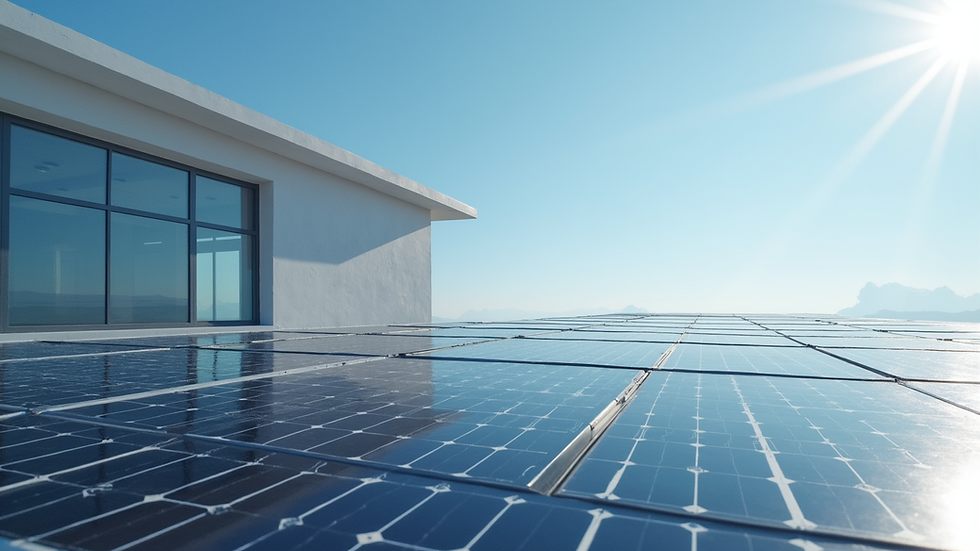
Renewable Energy Sources: Integrate solar panels or wind turbines to generate clean energy on-site. This not only reduces dependence on grid electricity but can also provide significant cost savings.
4. Smart Technology Integration
Smart technology can significantly enhance energy performance by optimizing energy use.
Building Management Systems (BMS): These systems monitor and control building operations, including HVAC, lighting, and security, to improve energy efficiency.
Smart Meters: Installing smart meters allows for real-time energy consumption tracking, helping occupants understand and reduce their energy use.
IoT Devices: Internet of Things (IoT) devices can automate energy management, adjusting settings based on occupancy and usage patterns.
5. Sustainable Landscaping
The surrounding landscape can also impact a building's energy performance.
Shade Trees: Planting trees strategically can provide shade, reducing cooling costs in the summer.
Native Plants: Use native landscaping to minimize water usage and maintenance, contributing to overall sustainability.
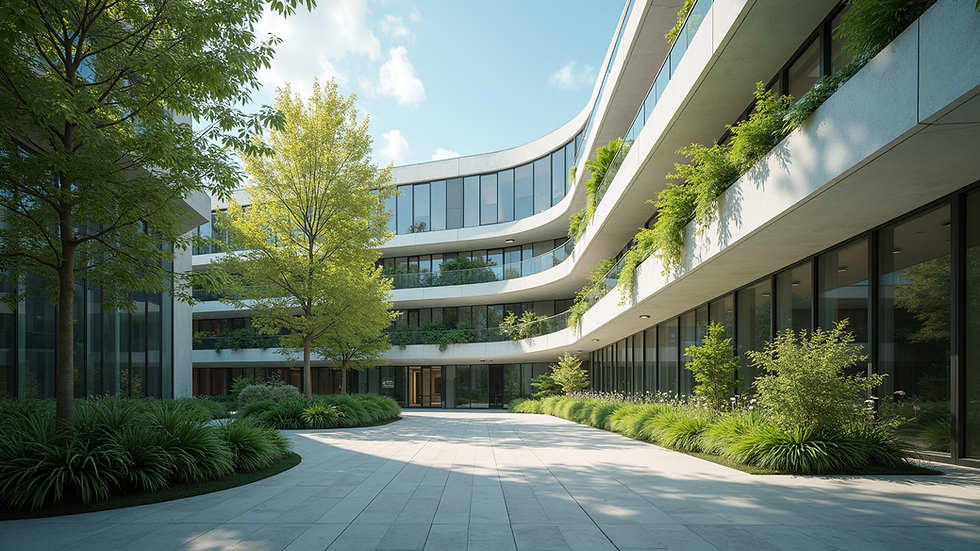
Green Spaces: Incorporating green spaces can improve air quality and provide natural cooling, enhancing the building's energy performance.
Case Studies of Successful Energy Performance Optimization
Example 1: The Bullitt Center, Seattle
The Bullitt Center is often referred to as the greenest commercial building in the world. It features:
Solar Panels: The building generates more energy than it consumes through a rooftop solar array.
Rainwater Harvesting: A rainwater collection system provides water for non-potable uses, reducing reliance on municipal water supplies.
Natural Ventilation: Operable windows and a design that promotes airflow reduce the need for mechanical cooling.
Example 2: The Edge, Amsterdam
The Edge is known for its innovative use of technology and design to optimize energy performance. Key features include:
Smart Lighting: The building uses smart lighting that adjusts based on occupancy and natural light levels.
Energy Monitoring: Real-time energy monitoring allows for adjustments to be made quickly, ensuring optimal performance.
Sustainable Materials: The building was constructed using sustainable materials, further enhancing its energy efficiency.
Challenges in Optimizing Energy Performance
While the benefits of optimizing energy performance are clear, several challenges can arise:
Initial Costs: High-quality materials and advanced systems may require a larger upfront investment.
Regulatory Hurdles: Navigating local building codes and regulations can be complex and time-consuming.
Stakeholder Buy-In: Gaining support from all stakeholders, including investors and occupants, is crucial for successful implementation.
Future Trends in Energy Performance Optimization
As technology advances, new trends are emerging in the field of energy performance optimization:
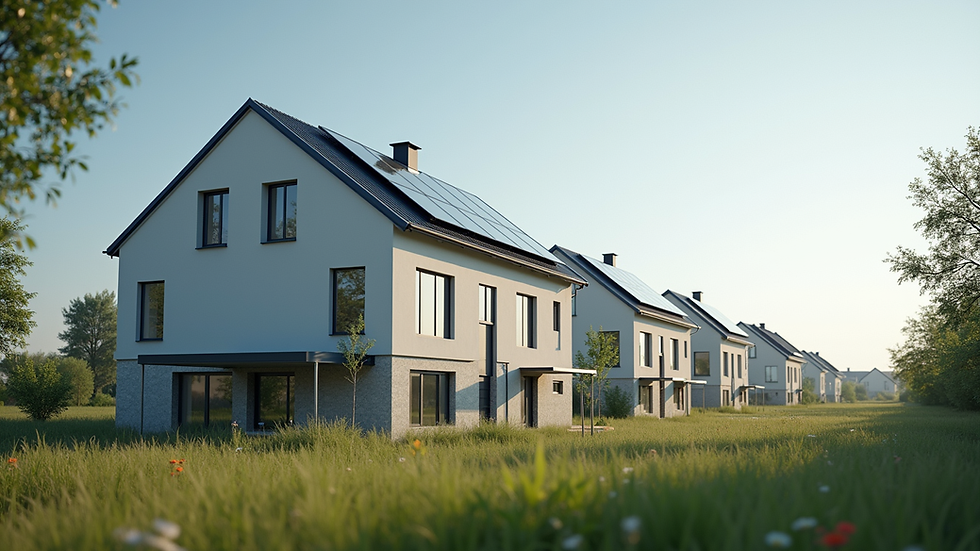
Net-Zero Buildings: The push for net-zero energy buildings, which produce as much energy as they consume, is gaining momentum.
Advanced Building Materials: Innovations in materials, such as phase-changing materials and smart glass, are enhancing energy efficiency.
Decentralized Energy Systems: The rise of microgrids and decentralized energy systems allows buildings to operate independently from the grid, improving resilience and sustainability.
Conclusion
Optimizing energy performance in new-build projects is essential for creating sustainable, cost-effective, and comfortable living and working environments. By focusing on site selection, building design, energy-efficient systems, smart technology, and sustainable landscaping, developers can significantly enhance energy performance. As the industry continues to evolve, embracing innovative practices and technologies will be crucial for meeting the growing demand for energy-efficient buildings.
By prioritizing energy performance, we not only contribute to a healthier planet but also create spaces that are more enjoyable and economical for their occupants. The journey towards sustainability starts with informed choices in the design and construction of new buildings.
Comments